
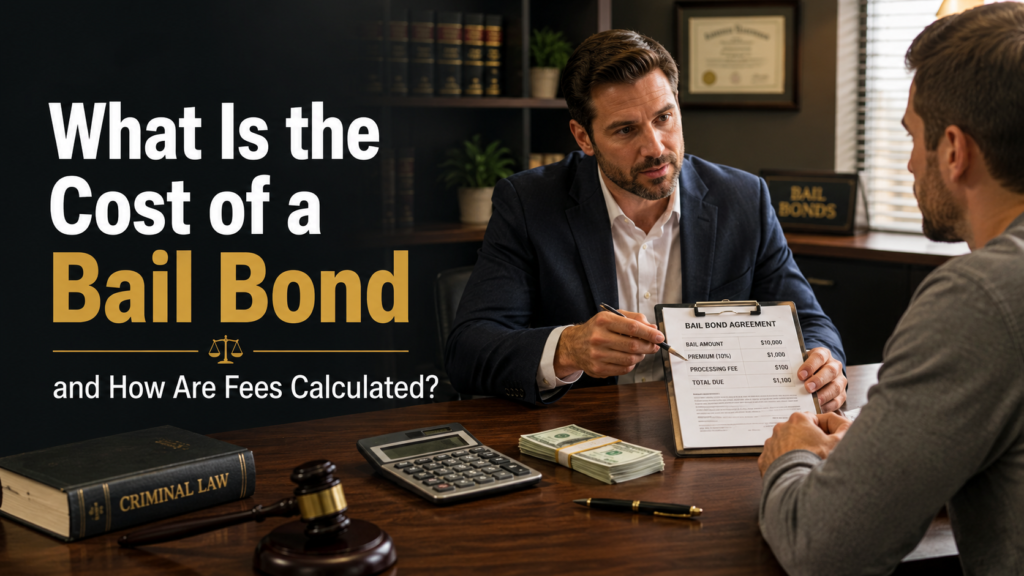
When a loved one is arrested, one of the first and most stressful questions families ask is simply: how much is this going to cost? The cost of a bail bond in California is typically 10% of the total bail amount set by the court — a one-time, non-refundable fee you pay a licensed bail agent to post the full bond on your behalf. To make this easy to understand, we’ve put together a clear bail bond cost breakdown so you know exactly what you’ll pay before you ever commit.
At Bright Bail Bonds, based in Lake Elsinore and serving jails across Southern California, we believe transparent pricing is part of treating people with respect during an already difficult time. Our licensed agents, led by Fabian Sepulveda, explain every dollar upfront so there are no surprises.
This guide walks through how bail bond fees are calculated, what factors affect your total cost, real worked examples at different bail amounts, and how payment plans keep the process affordable. By the end, you’ll know what to expect and how to budget for it.
A Bail Bond Costs a Percentage of the Total Bail, Not the Full Amount

A bail bond costs a fraction of the full bail amount, which is exactly why most California families choose one instead of paying cash bail directly to the court. Rather than handing over the entire bail figure, you pay the bail agent a premium — a percentage of the total — and the agent guarantees the full amount to the court.
Here’s the core difference in plain terms:
- Cash bail requires you to pay the court the full bail amount upfront. It’s returned after the case if all court dates are met.
- A bail bond requires you to pay an agent a percentage of that amount. This premium is the service fee and is not returned.
For most people, tying up tens of thousands of dollars in cash isn’t realistic. A bail bond lets you secure a release for a small fraction of that cost.
California Regulates Bail Bond Premiums at a Standard 10% Rate
In California, bail bond premiums are regulated by the state Department of Insurance, and the standard rate is 10% of the total bail amount. This regulation is why a reputable bail agent in Riverside charges the same baseline rate as one in San Diego — the price isn’t arbitrary, it’s set within state guidelines.
In certain qualifying situations, a reduced premium may be available. These can include cases where the defendant is represented by a private attorney or is a member of the military, depending on the agent’s filed rates. At Bright Bail Bonds, our team will always let you know if you qualify for a lower rate.
It’s worth understanding that the premium is based on the bail amount, which the court sets first. That amount depends on several factors:
- The severity of the charges (a misdemeanor versus a felony)
- The defendant’s criminal history
- The perceived flight risk
- The county’s standard bail schedule
Several Factors Influence the Total Cost You Pay
The final cost of a bail bond depends on more than just the premium percentage — the bail amount, payment terms, and any collateral all play a role. While the 10% premium is the headline figure, your real out-of-pocket experience can vary based on how the arrangement is structured.
The biggest factors include:
- The total bail amount — higher bail means a higher premium, since the fee is a percentage.
- Whether you qualify for a reduced rate — certain circumstances may lower the percentage.
- Payment plan terms — spreading the premium over time changes your upfront cost, not the total.
- Collateral requirements — larger bonds may require assets as security, though this isn’t an added fee.
The table below shows how the standard 10% premium translates into real numbers at common bail amounts:
| Total Bail Amount | Standard 10% Premium | What You Pay the Agent |
|---|---|---|
| $5,000 | 10% | $500 |
| $10,000 | 10% | $1,000 |
| $25,000 | 10% | $2,500 |
| $50,000 | 10% | $5,000 |
| $100,000 | 10% | $10,000 |
How Much Is a Bail Bond on a $10,000 Bail?
A bail bond on a $10,000 bail typically costs around $1,000, based on California’s standard 10% premium. Instead of paying the court the full $10,000 in cash, you pay a licensed agent like Bright Bail Bonds the $1,000 premium, and we post the entire bond for you.
That single example captures why bail bonds exist: they turn an amount most families can’t readily access into a manageable, predictable cost. And if even the premium is difficult to pay all at once, payment plans can break it down further.
Payment Plans and Collateral Make Bail Bonds Affordable
Flexible payment plans and collateral options make it possible to bail a loved one out even when the premium isn’t sitting in your bank account. The goal is to remove cost as the reason someone stays behind bars longer than necessary.
Here’s how each option helps:
- Payment plans let you split the premium into smaller, scheduled payments rather than paying it all upfront.
- Collateral — such as property or a vehicle — can secure larger bonds and is returned once the case concludes and all court dates are met.
Bright Bail Bonds works directly with families across Southern California to build a plan that fits their situation, which is one reason so many of our clients refer us to friends and relatives when they need help.
Is the Bail Bond Fee Refundable?
No, the bail bond premium is not refundable, because it is the fee you pay for the agent’s service of posting the full bail. Unlike cash bail, which the court returns when the case ends, the premium compensates the bail agent and surety for taking on the financial risk of the bond.
This holds true even if the case is dismissed or the charges are dropped, since the service — securing the release — was already provided. Understanding this upfront helps families budget correctly and avoid disappointment later in the process.
Frequently Asked Questions About Bail Bond Costs
Can the 10% bail bond fee be negotiated or reduced?
The standard premium is regulated in California, so it generally can’t be negotiated down on a whim. However, a reduced rate may be available in specific qualifying situations, such as when the defendant is represented by a private attorney or is a member of the military. Bright Bail Bonds will tell you if you qualify.
Do I have to pay the entire bail bond fee upfront?
Not always. Many families set up a payment plan that splits the premium into smaller installments. The available terms depend on the bail amount and your individual circumstances, which our agents will review with you before you commit.
Is collateral always required to get a bail bond?
No, collateral is not required for every bond. It’s more commonly requested for higher bail amounts as security for the agent. When collateral is used, it’s returned once the case concludes and all court appearances have been met.
What happens to the premium if the charges are dropped?
The premium is still non-refundable even if the charges are later dropped. This is because the fee covers the service of posting bail and securing the release, which was completed regardless of how the case ultimately ends.
Are there any hidden fees with a bail bond?
With a reputable, licensed agent, there should be no hidden fees beyond the agreed-upon premium and any clearly explained payment terms. Bright Bail Bonds, operating under California Bail License #1N13383, walks every client through the full cost before any agreement is signed.
Know Your Costs Before You Call — We’ll Walk You Through It
The cost of a bail bond comes down to a straightforward formula: a regulated premium, usually 10% of the court-set bail amount, with payment plans and collateral available to make it manageable. Once you understand how the fee is calculated, you can plan with confidence instead of fear.
If you need help right now or simply want a clear, honest quote, the licensed team at Bright Bail Bonds is available 24/7 across Southern California. Call Fabian and our agents at 888-669-0295 for transparent pricing and the compassionate guidance that helps families take the next step toward bringing their loved one home.